

Two homes in Washington, Utah, can have similar prices but offer very different ownership experiences. Lot orientation, association rules, ongoing costs, daily travel, and access to outdoor recreation all deserve a place in your comparison. A little research before you make an offer can help you see which property delivers the value you actually want.
Look Beyond the Listing Price
A home search often begins with a price range and a list of must-haves. In Washington, it also pays to look closely at the details surrounding the home: the direction a patio faces, the services included in an HOA fee, and how a neighborhood connects to the places you visit regularly. These details may not be obvious in a photo gallery, but they can shape both your budget and your day-to-day experience.
Start by comparing the full cost of ownership rather than the purchase price alone. Your lender can help estimate principal and interest, while property tax records, insurance quotes, utility information, and association documents can add context. If a home needs immediate work, include those likely expenses in your planning rather than treating them as an afterthought.
Keep a simple comparison sheet for each property. Record the asking price, estimated monthly expenses, lot characteristics, restrictions, and the features you would need to change. A house that initially seems less expensive may have higher ongoing costs, while another may include improvements or services that are valuable to you. Neither is automatically the better purchase; the useful comparison depends on your priorities and verified information.
Compare homes using an estimated monthly ownership cost as well as the sale price. HOA dues, insurance, utilities, and maintenance can change the picture.
Study the Lot, Not Just the Floor Plan
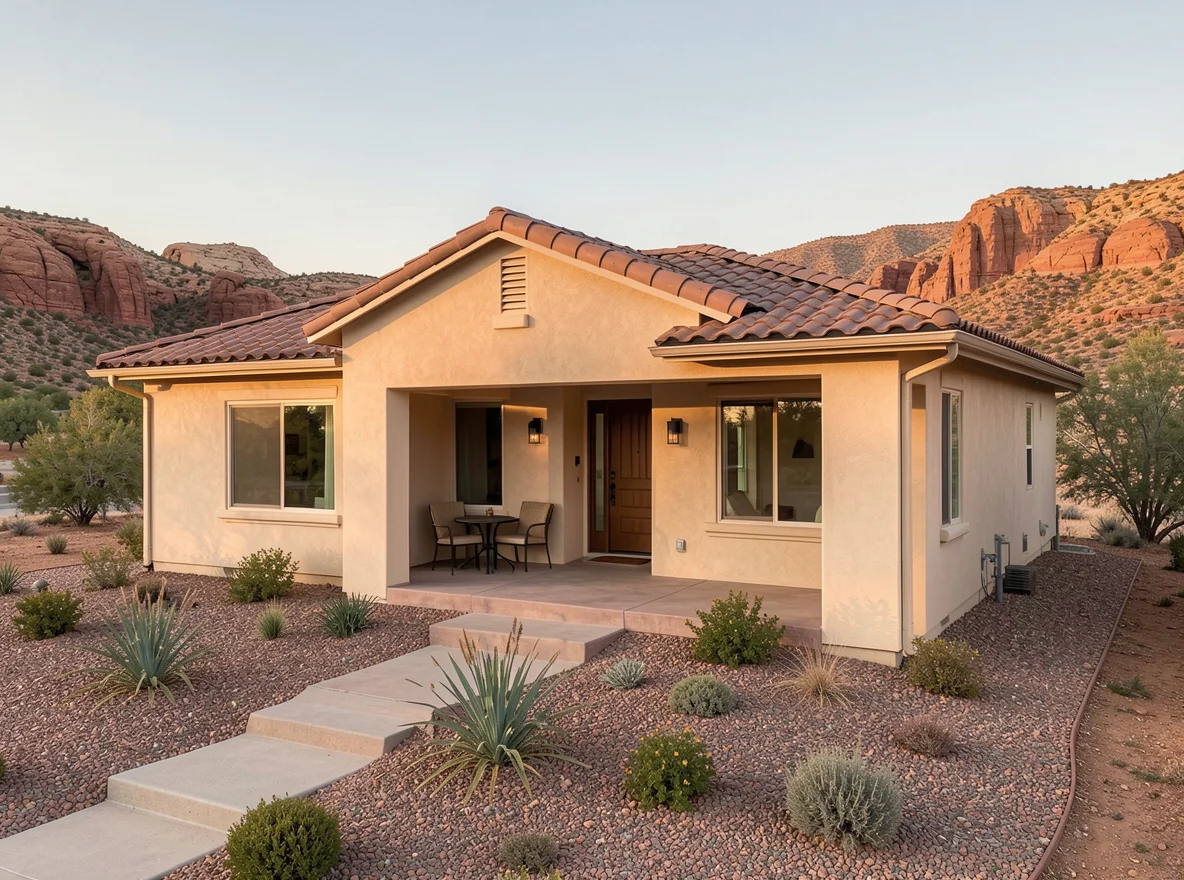
Southern Utah’s desert setting makes outdoor space especially important to evaluate in person. Visit at a time when you might normally use the patio or yard, and notice where sunlight and shade fall. A west-facing outdoor area may feel different in the late afternoon than it does during a morning showing; a covered patio or thoughtfully placed landscaping can affect how you use the space.
Look beyond the fence line, too. Consider nearby roads, neighboring windows, grading, drainage, and the relationship between the home and surrounding lots. A corner lot may offer a different sense of openness and maintenance responsibility than an interior lot. Views can be appealing, but ask about nearby undeveloped land and do not assume an existing view will remain unchanged.
For newer communities, ask what is known about future construction, road connections, and planned amenities. A listing description or attractive rendering is not a substitute for approved plans or a guarantee of completion. Check relevant information with the developer, association, or local authorities, and confirm how any proposed changes could affect the property you are considering.
Questions to Bring on a Tour
- Where does the home receive direct sun, and what shade is available?
- How is the lot graded, and where does water drain after a storm?
- What landscaping, fencing, or exterior changes would require approval?
- Are nearby parcels developed, and what information is available about future plans?
Read HOA Documents Before You Decide
Some Washington homes are part of a homeowners association, while others are not. When an HOA is involved, the monthly or periodic dues are only the starting point. Request the governing documents, current budget, fee schedule, and information about pending assessments or known changes, then review them during the time allowed by your contract.
Look at what the association maintains and what remains the owner’s responsibility. Depending on the community, dues may contribute to shared landscaping, private roads, facilities, or other common expenses. The details vary, so avoid assuming that a feature shown on a tour is included or that every expense is covered. Ask about transfer fees and any separate charges that may apply at closing.
Rules matter as much as amenities. Review provisions concerning exterior paint, landscaping, parking, pets, leasing, and changes to the property. If you have a specific plan—such as installing a shade structure or renting the home—ask how the written rules apply and whether approval is required. Your agent can help you obtain documents, and an attorney can advise on legal questions.
An appealing pool or landscaped common area is only part of the equation. Check the current dues, maintenance responsibilities, and rules before assigning value to an amenity.
Test the Daily Route and Recreation Access
A map can show distance, but it cannot tell you exactly how a route will feel during your usual schedule. From each home you are considering, test the drive to your frequent destinations, such as work, medical services, grocery stops, or other appointments. Try the trip at the times you expect to travel, and account for the routes you would actually use.

Washington’s position within the greater St. George area gives buyers options for exploring regional amenities and outdoor recreation. If trails, parks, or reservoir outings matter to you, identify the access points you would use and check the drive, parking arrangements, hours, and applicable fees. Sand Hollow State Park is a regional destination to consider, but proximity on a listing map does not necessarily mean immediate access from a particular home.
Also consider how the seasons may affect your routine. Warm weather can influence when you prefer to walk, hike, or spend time outside, and a shaded route may matter more to you than a short distance alone. Visit at different times of day when practical. These observations will help you decide which location supports the activities you expect to enjoy, rather than paying for a feature you may rarely use.
For other everyday needs, make your own list of destinations and verify current information directly. If schools are part of your decision, check attendance boundaries and enrollment information with the appropriate district; assignments and policies can change. The goal is not to rank neighborhoods for everyone, but to understand how each property fits your own plans.
Compare Condition and Ongoing Costs
Two newer-looking homes can differ significantly in construction details, equipment, and maintenance history. During a tour, notice the condition of the roof, windows, heating and cooling system, irrigation, and exterior surfaces. Ask for available records of repairs, improvements, and warranties, and consider a professional inspection to investigate the property more thoroughly.
Request insurance quotes early enough to understand how coverage and premiums may affect your budget. Utility costs can also vary with the home’s size, systems, usage, and landscaping. Past bills may offer useful context when available, but they are not a promise of what you will spend. Ask your inspector and relevant providers about any property-specific concerns, and confirm whether additional coverage or maintenance is appropriate.
When evaluating upgrades, separate what you enjoy from what the broader market may recognize. A remodeled kitchen, owned solar equipment, or a carefully designed patio may be meaningful to you, but each should be assessed alongside condition, documentation, and comparable sales. Confirm ownership and any financing or service agreements associated with installed equipment before relying on it in your calculations.
Use Local Comparisons to Make a More Informed Offer
Once you have narrowed the field, ask your agent to review recent comparable sales and current competing listings. Similar square footage is a helpful starting point, but differences in lot position, condition, association costs, improvements, and location can make a straightforward price comparison misleading. Market conditions and available inventory can change, so a current review matters more than an old headline or a neighbor’s recollection.
Build your offer strategy around both the home and your financial comfort. Discuss the purchase price, financing, inspection, appraisal, closing timeline, and any requested repairs or concessions with your representative. An attractive price does not remove the need to understand contract deadlines or the costs and risks that come with ownership.
Buying a home in Washington, Utah, is easier to evaluate when you give each property the same careful review. Track the numbers, visit the lot, read the association documents, and test the routes that matter to you. UNiTY Group Real Estate can help you compare the details and approach your search with local guidance.
