

Santa Clara brings together a historic river corridor, mature landscapes, red-rock scenery, and access to the larger St. George area. These five lifestyle clues can help you look beyond a listing and decide how the community fits your daily routine. Along the way, compare nearby Southern Utah communities before narrowing your home search.
1. Follow the River Corridor and Notice the Landscape
One of the first things to notice about Santa Clara, Utah, is the contrast in its landscape. Along the Santa Clara River corridor, established trees and cultivated surroundings offer a different visual texture from the red-rock terrain beyond town. That blend is part of the community’s appeal, but it also makes the setting worth exploring in person rather than judging from a map alone.
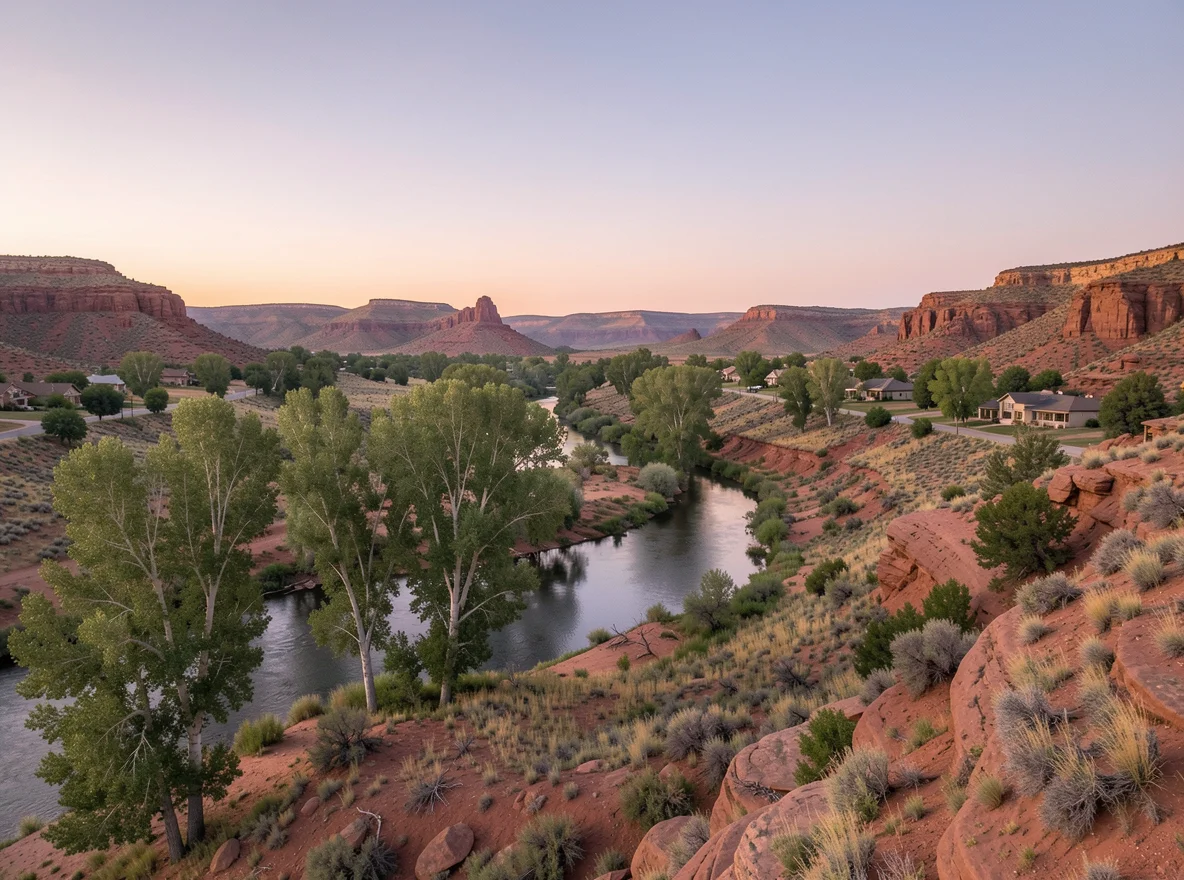
Spend some time looking at how individual streets connect to the surrounding terrain. A property near mature trees may offer a very different outlook and maintenance experience from one with desert landscaping and open views. Notice the amount of shade at the times you would normally use an outdoor space, as well as the condition of trees, drainage features, and irrigation equipment.
Water and landscape questions deserve attention in Southern Utah’s dry climate. Ask about irrigation arrangements, watering requirements, and the upkeep of any established plantings. If a home is near a river or drainage area, review available flood-zone information, insurance requirements, and property disclosures with your agent and insurance provider.
A mature landscape can change the feel of a home, but shade, irrigation, and ongoing maintenance vary from property to property.
The best visit is a practical one: walk or drive the area at different times of day, then consider how the landscape would fit the way you use your home. A scenic setting is most useful when you understand what caring for it will involve.
2. Look for Historic Character Alongside Newer Homes
Santa Clara’s agricultural history and orchard heritage remain important parts of its identity. Historic character is one reason to slow down and explore, even as newer residential areas offer different layouts and construction styles. The contrast gives home buyers a useful question to ask: which features matter most in the spaces you use every day?
An established home may offer mature landscaping, an individual architectural feel, or a setting close to older parts of the community. A newer property may offer a different floor plan, updated systems, or a lower-maintenance yard. Neither choice is automatically better; the right comparison depends on the condition, features, and costs of the specific homes you tour.
When reviewing an older property, ask about the age and maintenance of major systems, the roof, and any renovations. For a newer home, review the builder’s disclosures, warranty information if applicable, and any association rules. In either case, a professional inspection can help you understand the property beyond its appearance.
It is also worth looking past the front door. Consider parking, storage, outdoor living areas, and the distance between neighboring homes. If a particular view or mature tree is important to you, ask what is known about the surrounding property rather than assuming the setting will remain unchanged.
3. Think About Trail Access and Outdoor Routines
Red-rock scenery is a defining part of life in this corner of Southern Utah. From Santa Clara, outdoor recreation is part of the broader regional conversation, but access can mean different things to different people. A trailhead within driving distance is not necessarily the same as a path you can reach from your front door.
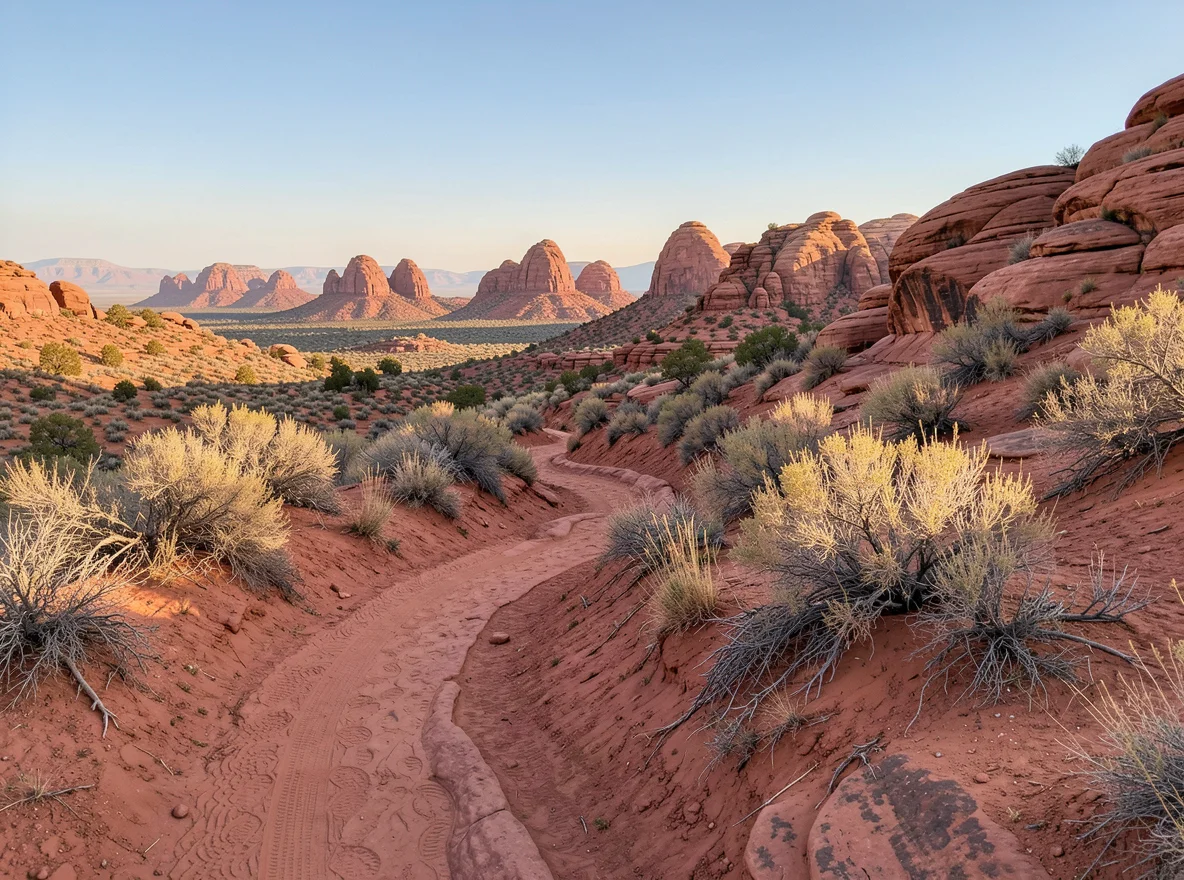
Make a short list of the activities you actually enjoy, whether that means a morning walk, a bike ride, or a weekend hike. Then check routes from the homes on your list. Look at parking, trail conditions, permitted uses, and how much time you would need to get there and back. A home with a beautiful view may not provide direct public access to the land you see.
Season matters, too. Hot weather can shift outdoor plans toward earlier or later hours, while conditions after rain may affect trails and unpaved routes. Consider where you would store bicycles or outdoor gear, whether a yard has usable shade, and how comfortable the route feels at the time you expect to use it.
For a fuller picture, visit both the residential street and the recreation area on the same trip. That simple test turns a general promise of “outdoor access” into a more useful measure of how an outing would fit into your week.
4. Experience Community Traditions and Everyday Amenities
Swiss Days is a visible expression of Santa Clara’s local history and community tradition. If your visit coincides with the celebration, it can be an opportunity to experience a gathering in town. If not, a regular weekday can be just as revealing: notice the pace of the streets and the errands you would make nearby.
Think about the amenities that shape an ordinary week. Where would you buy groceries, meet someone for a meal, visit a library, or attend an appointment? Santa Clara’s proximity to St. George expands the range of services and dining options available, but the most useful measure is the route from a particular address to the places you expect to visit.
For households considering schools, verify current attendance boundaries and enrollment information directly with the relevant school district. Boundaries and programs can change, and a property’s mailing address alone may not answer every question. The same address-specific approach applies to internet service, utilities, and any homeowners association requirements.
Test your most important errands from a prospective home—not just from the center of town. A few different starting points can produce very different routines.
5. Compare the Commute and the Home, Not Just the Town
Choosing a Southern Utah community is easier when you compare real destinations rather than general impressions. Map your regular trips at the hours you expect to travel, and include occasional destinations such as medical appointments, recreation areas, and the airport if they matter to you. Traffic and travel times can change, so a live route check and an in-person drive are more useful than a fixed estimate.
How Nearby Communities Fit into the Search
- St. George: A regional hub with a broad concentration of services, dining, and shopping. Consider it if frequent access to those amenities is high on your list, then compare neighborhoods and routes within the city.
- Washington: Connected to the greater St. George area, with residential options and access to regional amenities. Check the specific commute and nearby services for each property you consider.
- Santa Clara: Known for its historic character, river corridor, mature landscapes, and access to St. George. Compare established and newer homes to see which setting supports your routine.
- Ivins: Red-rock surroundings and outdoor recreation are prominent parts of its setting. Look closely at the distance from a potential home to the services and routes you use most.
- Hurricane: Another option in the wider Southern Utah region, with access to neighboring communities and recreation. Map your regular destinations from individual listings before deciding how the location works for you.
As you tour across the area, keep the same housing checklist for every community: desired layout, indoor and outdoor space, parking, maintenance, and total monthly costs. Ask about property taxes, insurance, utilities, and association fees where applicable. Your agent can help you compare current listings and recent sales without relying on assumptions about which town offers the best value.
Make Your Santa Clara Visit Count
Before making a decision, revisit your favorite locations at a different time of day. Walk the surrounding streets where practical, test the routes you expect to use, and take notes on what you notice inside and outside each home. A second visit can reveal details that are easy to miss when the red rocks first catch your eye.
Santa Clara’s orchard heritage, river landscape, community traditions, and proximity to regional amenities offer plenty to explore. The next step is to match those qualities to a particular property and a realistic daily routine. UNiTY Group Real Estate’s St. George team can help you compare homes and communities across Southern Utah as you plan your move.
