

A beautiful view is only part of the picture when shopping for a home in St. George. Shade, efficient cooling, thoughtful landscaping, and practical maintenance details can shape how comfortable a property feels and what it costs to own. Use these seven features to compare Southern Utah homes with desert living in mind.
1. Shade Where You Need It
In St. George’s hot desert climate, shade can make a noticeable difference in how you use a home. Look beyond the listing photos to see which windows, entries, and outdoor spaces receive direct sun throughout the day. A covered entrance, deep roof overhang, or strategically placed shade structure may be as useful as a scenic patio.
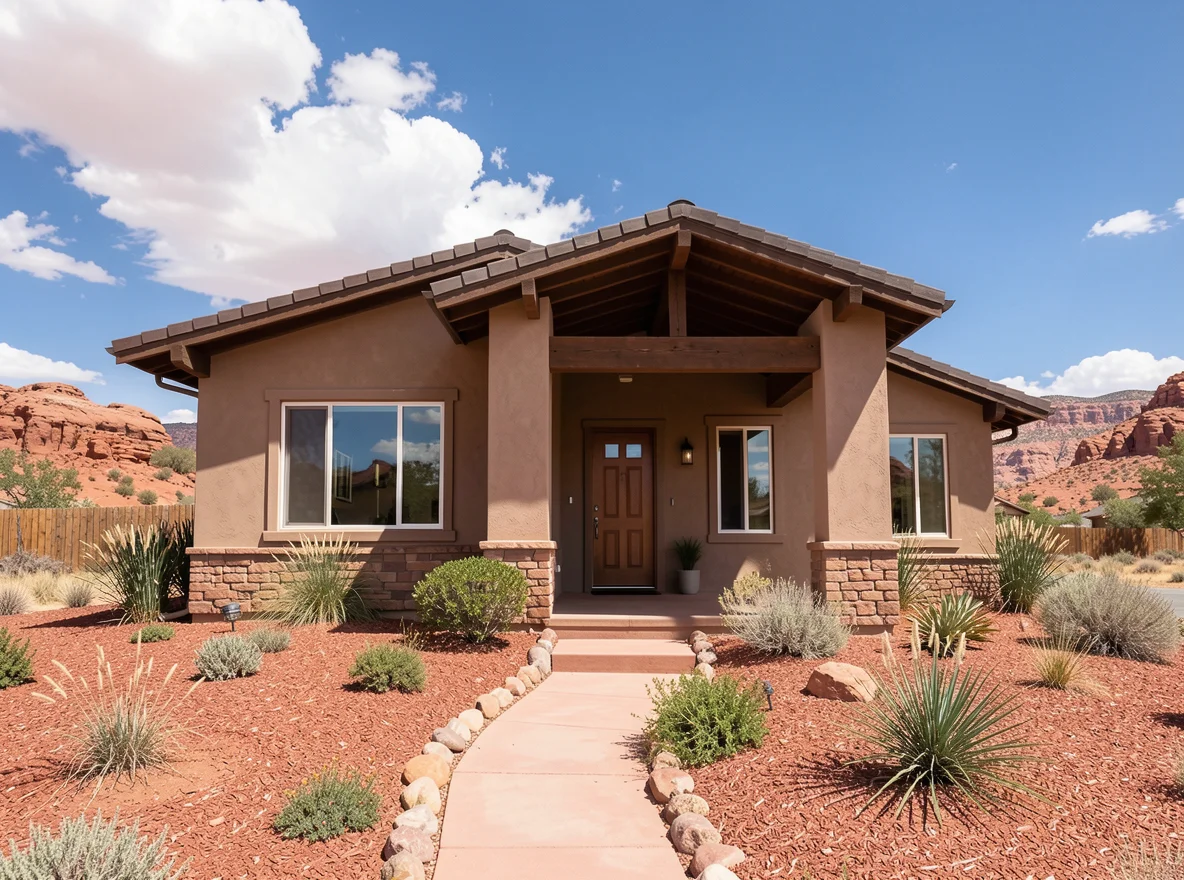
Pay particular attention to west-facing rooms and outdoor areas, which can receive strong afternoon sun. Visit at different times if possible, or ask your agent to help you understand the home’s orientation. A patio that feels comfortable in the morning may offer a different experience later in the day.
Existing trees and shade structures deserve a closer look, too. Consider their condition, the upkeep they need, and whether they actually shade the areas you plan to use. If you hope to add an awning or pergola, review any applicable association rules and local permit requirements before counting on that improvement.
On a home tour, check where the afternoon sun falls—not just whether a property has a covered patio.
2. Windows and Window Coverings That Manage Sunlight
Large windows can showcase the surrounding landscape and bring natural light inside, but they can also admit heat. Consider the size, placement, and condition of windows alongside the views they provide. Ask whether the seller has documentation about window age, glazing, or recent replacements rather than assuming a particular window is energy efficient.
Look at the practical details: Do blinds or shades cover the sunniest windows? Are seals intact, and do windows open and close properly? Window coverings can be updated after a purchase, but the cost and appearance may influence your plans. A qualified inspector can help identify visible concerns, while a window professional can advise on potential upgrades.
Balance is the goal. A room filled with sunlight may be exactly what you want; it is simply worth considering how you will manage glare, privacy, and heat during different seasons. Bring those questions to each showing so you can compare homes on more than their finishes.
3. Insulation and a Well-Maintained Building Envelope
A home’s exterior walls, roof, insulation, doors, and windows all contribute to its ability to manage indoor temperatures. These features are not always easy to judge during a quick tour, so ask for available records and discuss the property’s condition with your inspector. An older home may have been upgraded, while a newer one still deserves careful evaluation.
Check for obvious gaps around exterior doors, damaged weatherstripping, or signs of water intrusion. Ask what is known about attic insulation and roof condition, and whether previous repairs or improvements were documented. If energy performance is a major priority, an independent energy assessment can help identify potential improvements, though it is not a substitute for a home inspection.
Utility costs vary with the property, equipment, rates, and how occupants use the home. If available, past utility bills can provide useful context, but they are not a prediction of your future expenses. Use them as one piece of the ownership-budget puzzle.
4. Cooling Equipment You Can Evaluate
Air conditioning is an important consideration when comparing St. George homes. Ask about the age of the equipment, service history, warranty status, and any known issues. A system’s age alone does not tell the whole story: maintenance, installation, and current condition matter, too.
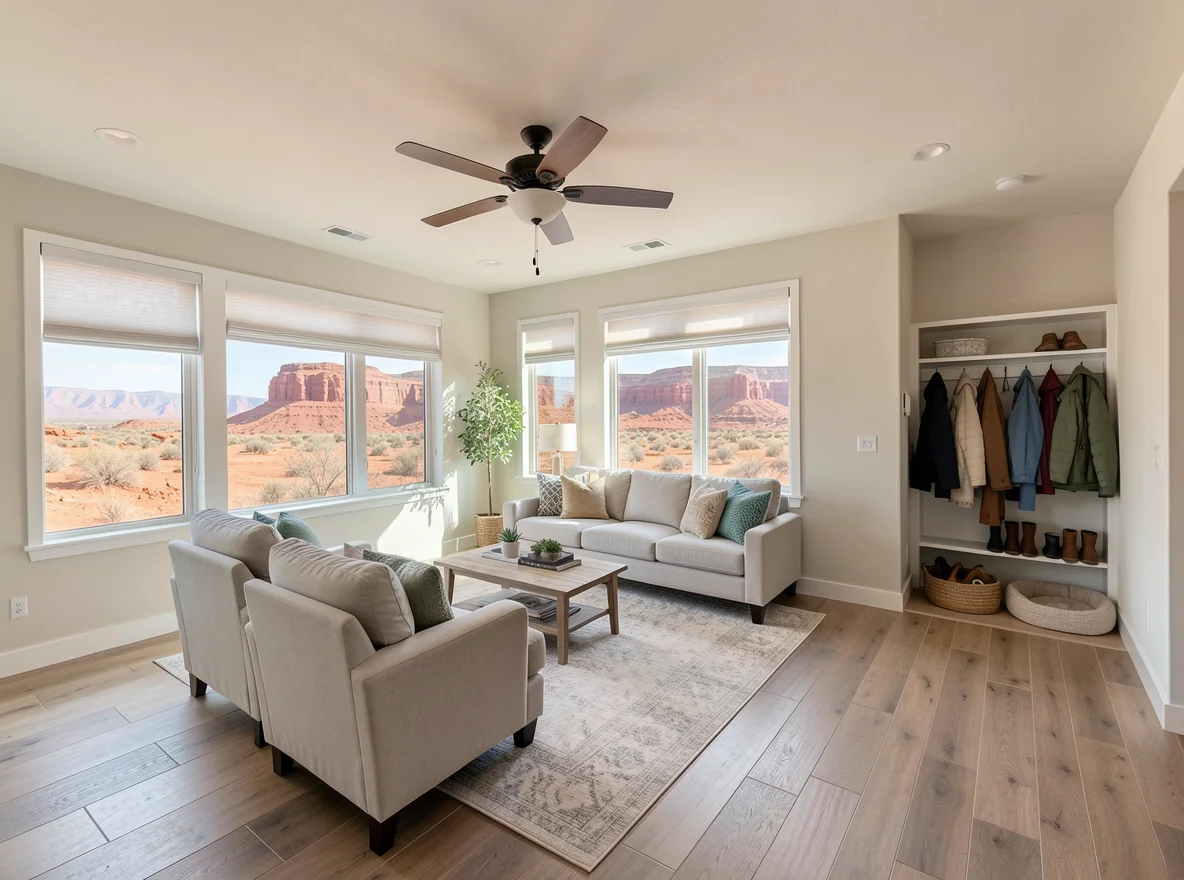
During a showing, notice whether rooms feel noticeably different in temperature and whether vents are accessible. Ask how the system is zoned, if applicable, and whether ceiling fans or programmable controls are included. These observations can guide follow-up questions, but a professional assessment is the better way to evaluate performance and needed repairs.
Consider accessibility for routine service as well. Find out where filters are located, whether outdoor equipment has adequate clearance, and what maintenance the current owner recommends. If a specialist inspection reveals a concern, discuss the findings and your options with your agent before making decisions.
Request service records when available, and consider a qualified HVAC evaluation during your inspection period.
5. Outdoor Living Space That Works Beyond the View
A patio or courtyard can extend the living area, especially when its design accounts for sun exposure and privacy. Look at the amount of usable shade, the surface underfoot, and the relationship between the outdoor space and the kitchen or living room. A covered area may be more versatile than a larger uncovered one, depending on how you plan to spend time outside.
Think about furniture, storage, lighting, and maintenance rather than focusing only on the view. If the property has a pool, ask about equipment, operating costs, service records, and any applicable barriers or local requirements. Features such as outdoor kitchens and shade structures can add enjoyment, but they also introduce components to inspect and maintain.
Take time to explore beyond the property as well. St. George offers access to outdoor recreation, while everyday errands, dining, and services will be part of your routine. Map the routes and destinations that matter to you, and test them at the times you expect to travel.
6. Landscaping Matched to the Climate
Desert-adapted landscaping can create an appealing setting while reducing the amount of lawn to care for. Look for plantings suited to local conditions, the condition of irrigation equipment, and areas where gravel, hardscape, or shade trees affect how the yard functions. A low-water design is not necessarily maintenance-free; plants still need care, and irrigation systems need monitoring.
Ask who maintains shared areas, whether an association has landscaping rules, and what the seller knows about watering schedules or recent repairs. If you plan to change the yard, investigate current local watering requirements and any approval process. A landscape professional can help you estimate the work and cost before you commit to a redesign.
7. Materials and Maintenance You Understand
Sun exposure, dust, and seasonal weather can affect exterior surfaces and equipment over time. As you tour, look at the condition of stucco, exterior paint, roofing, sealants, and patio coverings. Ask about past repairs and whether warranties or receipts are available. A professional inspection can help you distinguish routine upkeep from issues that need further investigation.
Include ongoing ownership costs in your comparison: insurance, utilities, association dues where applicable, landscaping, and a reserve for repairs. Obtain insurance quotes for the specific property, and review coverage and exclusions with an insurance professional. If the home is in an association, read its documents to understand maintenance responsibilities and restrictions.
Put Your Desert Home Checklist to Work
Before touring, decide which features are essential and which you are willing to add later. Take notes on orientation, shade, cooling, outdoor space, and the questions you want your inspector to answer. Compare the complete property—including location, layout, and likely upkeep—not just its appearance on a sunny day.
Every home and buyer’s priorities are different. For help comparing properties, planning your search, and understanding the next steps, connect with UNiTY Group Real Estate - St. George for personalized local guidance.
